
Conclusion: With a little love and attention, Tips for Indoor Plant Care your indoor plants can flourish and thrive, bringing beauty and serenity to your home. By following these essential care tips, you’ll be well-equipped to cultivate a thriving green paradise that you can enjoy year-round. So roll up your sleeves, grab your watering can, and let the nurturing journey begin!
Introduction: In the bustling world of indoor gardening, maintaining lush, thriving plants can sometimes feel like a daunting task. However, with a few simple tips and tricks, you can transform your indoor space into a verdant oasis. Whether you’re a seasoned plant parent or just starting your green journey, these essential care tips will help you nurture your indoor plants to their fullest potential.
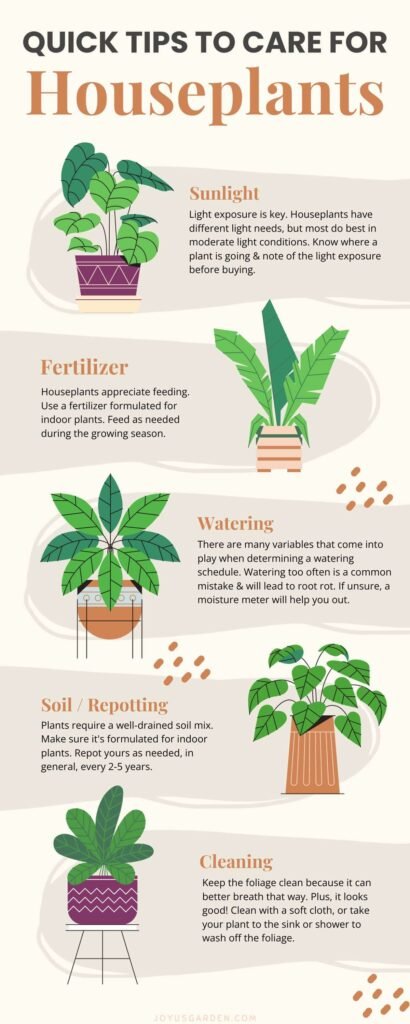
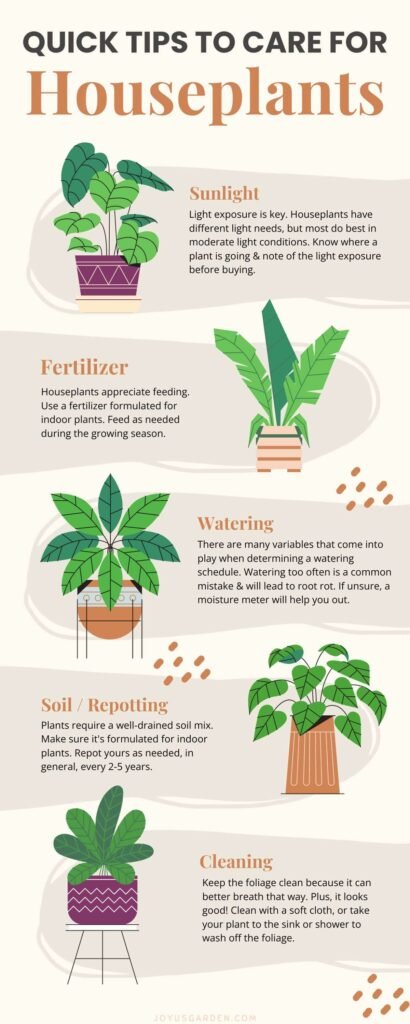
- Light and Placement: The first step to successful indoor plant care is understanding the lighting needs of your green companions. Different plants have varying requirements, with some preferring bright, indirect sunlight while others thrive in low-light conditions. Assess the natural light available in your home and place your plants accordingly. For sun-loving varieties, position them near south or west-facing windows, while shade-loving plants can brighten up darker corners of your space.
- Watering Routine: Tips for Indoor Plant Care
- One of the most common pitfalls in indoor plant care is overwatering. While it’s important to keep your plants hydrated, soggy soil can lead to root rot and other issues. Establish a watering routine based on the specific needs of each plant, taking into account factors such as soil moisture levels, pot size, and environmental conditions. Remember, it’s better to underwater than to drown your plants, so always err on the side of caution.
- Soil Health: Tips for Indoor Plant Care
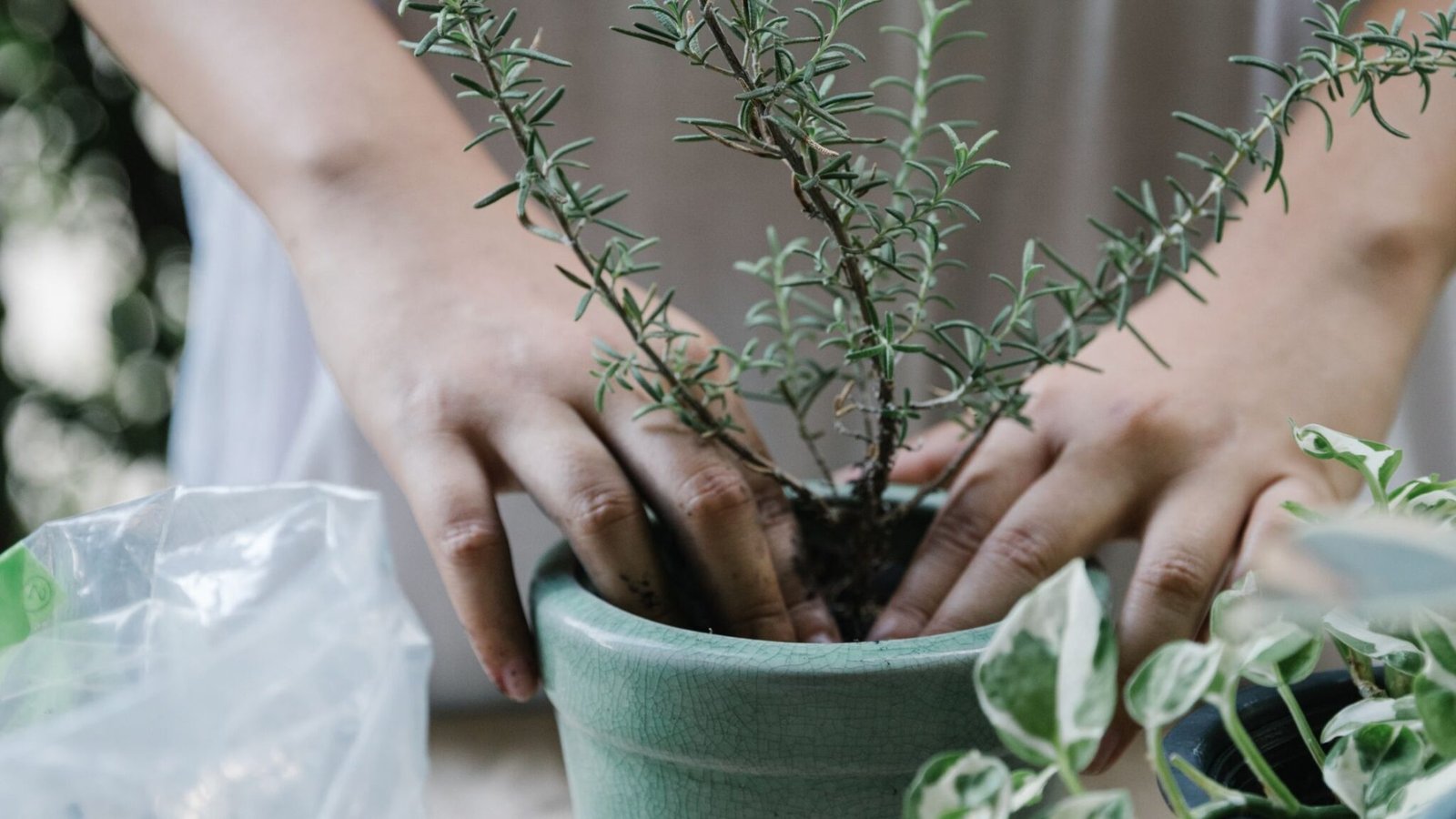
- The foundation of healthy plant growth begins with the soil. Choose a high-quality potting mix that provides adequate drainage and aeration for your plants. Consider incorporating organic matter such as compost or perlite to improve soil structure and nutrient retention. Regularly check the condition of your soil and repot your plants as needed to prevent overcrowding and ensure optimal root health.
- Humidity and Temperature: Tips for Indoor Plant Care
- Creating a conducive environment for your indoor plants involves more than just light and water. Many tropical species thrive in humid conditions, so it’s essential to maintain adequate moisture levels, especially during dry winter months. You can increase humidity by misting your plants, placing a tray of water nearby, or investing in a humidifier. Additionally, be mindful of temperature fluctuations, as extreme heat or cold can stress your plants and impede their growth.
- Pruning and Maintenance: Regular maintenance is key to keeping your indoor jungle looking its best. Pruning dead or yellowing leaves not only improves the aesthetic appeal of your plants but also promotes new growth. Remove any pests or debris that may accumulate on your plant’s foliage, and inspect them regularly for signs of disease or infestation. By staying proactive and attentive to your plant’s needs, you can ensure they remain healthy and vibrant for years to come.
- Humidity and Temperature: Creating a conducive environment for your indoor plants involves more than just light and water. Many tropical species thrive in humid conditions, so it’s essential to maintain adequate moisture levels, especially during dry winter months. You can increase humidity by misting your plants, placing a tray of water nearby, or investing in a humidifier. Additionally, be mindful of temperature fluctuations, as extreme heat or cold can stress your plants and impede their growth.
- Light is arguably the most critical factor for indoor plant health because it drives photosynthesis, the process plants use to create energy. Most houseplants prefer bright, indirect sunlight rather than harsh direct sun, which can scorch leaves.
- Place plants near east- or north-facing windows for gentle morning light, or use sheer curtains to filter intense afternoon sun from south- or west-facing windows.
- If a plant develops leggy growth, loses variegation, or leans heavily toward the light, it likely needs more brightness; consider moving it closer to a window or adding a grow light.
- Avoid frequent moving; plants acclimate to a specific light level and repeated changes can stress them.
- Watering: Consistency Over Quantity
- Overwatering is the most common mistake new plant owners make and a leading cause of houseplant death, often leading to root rot. Underwatering is also harmful, but it’s usually easier to correct.
- Check soil moisture before watering: insert your finger about 1–2 inches into the soil; if it feels dry, it’s time to water.
- Use pots with drainage holes and never let plants sit in standing water; empty saucers after watering.
- Water thoroughly until it drains from the bottom, ensuring the entire root zone is moistened.
- Use room-temperature, filtered, or rainwater when possible; avoid softened water with high salt content.
- Adjust frequency by plant type and season: succulents need longer dry periods, while tropicals may need more regular moisture; plants generally need less water in winter.
- Humidity and Air Quality
- Many popular houseplants (e.g., pothos, philodendron, arrowhead vine) originate from tropical environments and prefer humidity above 40%, which is often higher than typical indoor air.
- Increase humidity by misting leaves, using a room humidifier, placing plants on pebble trays with water (ensuring pots don’t sit in the water), or grouping plants together.
- Bathrooms and kitchens often have naturally higher humidity and can be ideal for moisture-loving plants if light is adequate.
- Signs of low humidity include wilting, browned leaf tips, and poorly developing flower buds.
- Temperature and Drafts
- Most indoor plants thrive in temperatures between 60–80°F (15–27°C) and are sensitive to sudden temperature fluctuations.
- Keep plants away from air vents, fireplaces, radiators, and drafty windows or doors.
- Avoid placing plants near heat sources or cold appliances; stable temperatures promote healthier growth and longer-lasting blooms.
- Soil, Fertilizing, and Repotting
- Using the right soil and providing nutrients at the right time supports robust growth.
- Choose a well-draining potting mix suited to your plant type (e.g., cactus mix for succulents, peat-based mix for tropicals).
- Fertilize during the active growing season (spring and summer) with a balanced fertilizer (e.g., 10-10-10); reduce or stop feeding in fall and winter.
- Repot when roots circle the pot, growth slows despite proper care, or soil dries out unusually fast; typically every 1–2 years for many houseplants.
- Pruning, Cleaning, and Pest Management
- Routine maintenance keeps plants healthy and attractive.
- Prune dead or yellowing leaves and trim leggy stems above a leaf node at a 45° angle to encourage fuller growth.
- Wipe dust off leaves with a damp cloth to improve light absorption and reduce pest habitat.
- Inspect regularly for pests like spider mites, aphids, or mealybugs; treat early with insecticidal soap or neem oil.
- Additional Tips for Success
- Match plants to your environment: choose low-light tolerant species (e.g., snake plant, ZZ plant) for dim rooms.
- Rotate plants periodically for even growth.
- Be cautious with home remedies like coffee grounds; they can harm plants with low acid tolerance.
- By paying attention to these core areas—light, water, humidity, temperature, soil, and maintenance—you’ll create an environment where your indoor plants can flourish year-round.
- Mastering watering goes beyond simple schedules; it requires understanding your plant’s specific needs and how environmental factors affect soil moisture. Yellowing leaves can indicate either overwatering or underwatering, so always check soil moisture before acting. If water runs straight through the pot without being absorbed, it may signal that the soil has become hydrophobic or that roots have filled the container, both signs that repotting is needed.
- For plants that dry out quickly, adding a layer of mulch (like sphagnum moss or pebbles) on top of the soil can reduce evaporation and maintain more consistent moisture levels. Some experienced growers place a small sponge at the bottom of pots to help retain water longer while still allowing excess to drain, preventing both drought stress and waterlogging. Additionally, using self-watering pots or smart inserts can help maintain ideal moisture for busy plant owners or those prone to forgetting watering schedules.
- Optimizing Light Conditions Throughout the Year
- Light needs change with the seasons as the sun’s angle and day length shift. During winter, many plants benefit from being moved closer to windows to compensate for weaker light intensity, while in summer they may need to be pulled back to avoid scorching. For rooms with limited natural light, consider supplementing with full-spectrum grow lights, especially for light-hungry plants like succulents or flowering species.
- Rotate your plants a quarter turn every few weeks to ensure even growth on all sides, preventing them from becoming lopsided as they reach toward the light source. If you notice brown spots surrounded by yellowing on leaves, this often indicates too much direct sunlight; relocate the plant to a spot with filtered or indirect light until it recovers.
- Seasonal Care Adjustments
- Indoor plants have different needs depending on the season, and adjusting your care routine accordingly can significantly improve their health and longevity. During spring and summer—the active growing season—plants typically require more frequent watering, regular fertilizing, and may benefit from repotting if they’ve outgrown their containers. In contrast, fall and winter are generally dormancy periods for many houseplants, meaning they need less water, little to no fertilizer, and protection from cold drafts or heating vents.
- Fertilize from January through September with a balanced houseplant fertilizer, allowing plants to rest during the final three months of the year. For acid-loving plants like ferns and gardenias, occasional applications of cooled brewed tea or diluted soda water can provide extra minerals and mimic natural rainfall conditions.
- Cleaning, Bathing, and Pest Prevention
- Dust accumulation on leaves not only dulls their appearance but also blocks sunlight and clogs stomata (the plant’s breathing pores), reducing photosynthesis and overall health. Wipe leaves gently with a damp cloth every few weeks, or give plants a lukewarm shower in the sink or bathtub to remove dust and
- Sources
- Deep Dive: Tips for Indoor Plant Care
- The Science and Strategy Behind Thriving Indoor Plants
- Caring for indoor plants at an advanced level means moving beyond general rules and into the specifics of plant physiology, environmental interaction, and proactive problem-solving. This guide provides a comprehensive, science-backed approach to help you cultivate a thriving indoor garden.
- Light: Quantifying and Optimizing for Photosynthesis
- Understanding light in measurable terms transforms your ability to match plants to their ideal spots. Most tropical houseplants thrive at 50–100 foot-candles of indirect light, while succulents and cacti often require 200–500 foot-candles. Use a light meter app or handheld device to assess your home’s conditions accurately.
- East-facing windows provide gentle morning light ideal for moderate-light plants.
- South- and west-facing windows deliver intense light that can scorch sensitive foliage unless filtered with sheer curtains.
- North-facing windows offer low, consistent light suitable for shade-tolerant species like snake plants and ZZ plants.
- Supplement with full-spectrum LED grow lights during winter months or in low-light rooms, positioning them 6–12 inches above plants for 12–16 hours daily.
- Rotate plants regularly to prevent phototropism (one-sided growth toward light) and ensure balanced development.
- Watering: Precision, Timing, and Soil Dynamics
- Watering is both an art and a science, influenced by plant type, pot material, soil composition, light exposure, and seasonal changes. Overwatering remains the leading cause of houseplant death, often manifesting as yellowing leaves, mushy stems, or a foul odor from root rot.
- Use the finger test: insert your finger 1–2 inches into the soil; water only when the top layer feels dry.
- For succulents and drought-tolerant plants, allow the soil to dry completely between waterings.
- Water thoroughly until it drains from the bottom, then empty saucers to prevent standing water.
- Adjust frequency based on season: increase in spring/summer during active growth; reduce in fall/winter during dormancy.
- Consider pot material: terracotta dries faster than plastic or glazed ceramic, affecting watering schedules.
- Advanced growers use moisture meters or self-watering systems to maintain consistent soil hydration without guesswork.
- Humidity and Microclimate Management
- Indoor environments often fall short of the 40–60% relative humidity many tropical plants prefer, leading to crispy leaf tips, poor growth, and increased pest susceptibility.
- Group plants together to create a microclimate with higher humidity through transpiration.
- Use pebble trays filled with water beneath pots (ensuring pots don’t sit in water) to increase local humidity.
- Install a room humidifier, especially during winter when heating systems dry the air.
- Mist leaves occasionally, but avoid this for plants prone to fungal issues or those with fuzzy foliage.
- Monitor humidity with a hygrometer and adjust strategies based on readings and plant responses.
- Soil, Nutrition, and Root Health
- Soil structure and nutrient availability directly impact root health and overall plant vigor. Most houseplants benefit from well-draining, aerated potting mixes that retain some moisture without becoming waterlogged.
- Use specialized mixes: cactus/succulent blends for arid-adapted plants; peat-based or coco coir mixes for tropicals.
- Repot every 1–2 years or when roots circle the pot, using a container only 1–2 inches larger in diameter to avoid excess soil moisture retention.
- Fertilize during the growing season (spring through early fall) with a balanced formula (e.g., 10-10-10 NPK) at half-strength to prevent salt buildup.
- Flush soil periodically by watering thoroughly until water runs clear from the bottom, removing accumulated fertilizer salts.
- Temperature, Airflow, and Environmental Stability
- Most indoor plants prefer stable temperatures between 60–80°F (15–27°C) and are sensitive to drafts, sudden temperature swings, and poor air circulation.
- Keep plants away from air vents, radiators, fireplaces, and drafty windows or doors.
- Ensure gentle airflow around plants to strengthen stems and reduce fungal disease risk, but avoid strong drafts.
- Monitor for temperature stress signs: leaf drop, wilting, or browning edges may indicate exposure to cold or heat extremes.
- Pest and Disease Management: Prevention and Treatment
- Early detection and intervention are key to managing pests and diseases effectively. Common indoor plant pests include spider mites, aphids, mealybugs, scale insects, and fungus gnats.
- Inspect plants weekly, especially under leaves and along stems, for signs of pests or disease.
- Quarantine new plants for 1–2 weeks before introducing them to your collection.
- Treat infestations promptly with insecticidal soap, neem oil, or horticultural oil, following label instructions carefully.
- Improve air circulation and avoid overwatering to prevent fungal issues like powdery mildew or root rot.
- Seasonal Rhythms and Long-Term PlanningTips for Indoor Plant Care
- Plants respond to seasonal changes in light, temperature, and humidity, requiring adjustments in care routines.
- Spring/Summer: Increase watering, begin fertilizing, consider repotting, and monitor for rapid growth or pest activity.
- Fall/Winter: Reduce watering, stop fertilizing, protect from cold drafts, and allow plants to rest.
- Keep a plant care journal to track watering schedules, fertilization dates, repotting events, and observed issues—this helps identify patterns and refine your approach over time.
- Troubleshooting Common Problems
- Use symptoms as clues to diagnose underlying issues:
- Yellowing leaves: often overwatering or poor drainage.
- Brown leaf tips: typically low humidity or underwatering.
- Drooping or wilting: check soil moisture; could be underwatering or root rot.
- Leggy growth or leaf drop: insufficient light.
- White cottony spots: likely mealybugs; treat with insecticidal soap.
- By integrating these advanced techniques with consistent observation and care, you’ll cultivate a resilient, vibrant indoor garden that thrives year-round.
- Mastering the Art and Science of Indoor Plant Care: A Comprehensive 1000-Word Guide
- Creating a thriving indoor garden requires more than occasional watering and hopeful placement—it demands a deep understanding of plant biology, environmental science, and proactive stewardship. This guide delves into advanced techniques, practical strategies, and nuanced insights to help you cultivate a resilient, vibrant indoor jungle.growingfamily.co+2
- Understanding Plant Origins and Native Conditions Tips for Indoor Plant Care
- Every houseplant has evolved in a specific ecosystem with unique light, humidity, temperature, and soil conditions. Succulents and cacti originate from arid deserts with intense sunlight and minimal rainfall, while tropical species like monstera, philodendron, and ferns hail from rainforests with high humidity, filtered light, and nutrient-rich organic matter. By researching your plant’s native habitat, you can replicate those conditions indoors, dramatically improving its health and longevity. For example, epiphytic orchids and anthuriums grow on tree bark in nature, so they thrive in chunky, airy substrates like orchid bark rather than dense potting soil.growingfoodindoors
- Light Mastery: Intensity, Duration, and Quality Tips for Indoor Plant Care
- Light is the engine of plant growth, driving photosynthesis and influencing everything from leaf color to flowering. Advanced growers measure light in foot-candles or lux to match species to ideal conditions: low-light plants (snake plant, ZZ plant) tolerate 50–100 foot-candles, while high-light species (succulents, citrus) need 200–500+ foot-candles.growingfoodindoors
- Window orientation matters: east windows offer gentle morning light; south and west windows provide intense midday sun (often requiring filtration); north windows deliver consistent low light.growingfoodindoors
- Photoperiod (daily light duration) affects growth cycles; most houseplants thrive with 12–16 hours of light daily.growingfoodindoors
- Supplement with full-spectrum LED grow lights during winter or in dim rooms, positioning them 6–12 inches above foliage.growingfoodindoors
- Rotate plants quarterly to prevent lopsided growth from phototropism.
- Watering Wisdom: Beyond the Finger Test
- While the finger test is reliable, advanced watering involves understanding soil dynamics, pot materials, and plant physiology. Overwatering remains the top killer of houseplants, causing root rot, yellowing leaves, and fungal infections.growingfoodindoors
- Bottom-watering: Place pots in a tray of water for 15–30 minutes, allowing soil to absorb moisture from below—ideal for plants prone to crown rot or those with dense foliage.growingfoodindoors
- Use moisture meters for precision, especially with large pots or moisture-sensitive species.
- Adjust for pot material: terracotta wicks moisture away, requiring more frequent watering; plastic and glazed ceramic retain water longer.
- Water quality matters: avoid softened water (high in salts); use filtered, distilled, or rainwater for sensitive plants like calatheas and carnivorous species.
- Soil Science and Substrate Engineering
- Soil is not just dirt—it’s a living ecosystem that supports root health, drainage, and nutrient availability. Standard potting mixes work for many plants, but specialized substrates unlock optimal growth for demanding species.growingfoodindoors
- Tropicals: peat-based or coco coir mixes with perlite for aeration.
- Succulents and cacti: gritty mixes with 50–70% inorganic material (sand, pumice, perlite).
- Orchids and epiphytes: chunky bark, sphagnum moss, or LECA (lightweight expanded clay aggregate).growingfoodindoors
- Amend mixes with worm castings, compost, or slow-release fertilizers for long-term nutrition.growingfoodindoors
- Repot every 1–2 years or when roots circle the pot, using containers only 1–2 inches larger to avoid excess moisture retention.
- Humidity and Microclimate Engineering
- Indoor air often falls below the 40–60% humidity tropical plants crave, leading to brown leaf tips, poor growth, and pest vulnerability.
- Group plants to create humid microclimates via transpiration.
- Use pebble trays with water beneath pots (pots elevated above water level).
- Install humidifiers, especially in winter or air-conditioned spaces.
- Enclose humidity-loving plants (ferns, calatheas) in terrariums or glass cloches.growingfoodindoors
- Monitor with a hygrometer and adjust strategies based on readings and plant responses.
- Advanced Fertilization and Nutrient Management
- Fertilizing is about balance—too little stunts growth; too much burns roots and causes salt buildup. Use balanced formulas (e.g., 10-10-10 NPK) during active growth (spring–early fall), diluted to half-strength to prevent toxicity.growingfoodindoors
- Slow-release pellets provide steady nutrition over months.growingfoodindoors
- Organic options: fish emulsion, seaweed extract, or compost tea for gentle feeding.growingfoodindoors
- Flush soil every 3–4 months by watering thoroughly until runoff is clear, removing accumulated salts.
- Tailor nutrients to plant needs: high-nitrogen formulas for foliage plants; high-phosphorus for bloomers.growingfoodindoors
- Temperature, Airflow, and Environmental Stability
- Most houseplants prefer 60–80°F (15–27°C) with stable conditions and gentle airflow.
- Avoid drafts from vents, windows, or doors; keep plants away from radiators and fireplaces.
- Use fans on low settings to improve air circulation, strengthening stems and reducing fungal risk.
- Monitor for temperature stress: leaf drop, wilting, or browning edges signal exposure to extremes.